Buy langrony.eu ?
We are moving the project
langrony.eu .
Are you interested in purchasing the domain
langrony.eu ?
domain@kv-gmbh.de · 0541-91531010
Buy langrony.eu ?
What are partitive articles in the French language?
Partitive articles in French are used to indicate an unspecified quantity of a noun. They are used when referring to a portion or some of a mass noun, such as food or liquid. The partitive articles in French are "du" (for masculine nouns), "de la" (for feminine nouns), and "de l'" (for nouns starting with a vowel or silent "h"). These articles are essential for expressing the concept of some or any in French. **
How did articles in the German language originate?
Articles in the German language originated from the Old High German language, which was spoken in the early medieval period. The use of articles in German can be traced back to the influence of Latin and other neighboring languages. Over time, the articles evolved and became an integral part of the German language, distinguishing between definite (der, die, das) and indefinite (ein, eine) articles. The development of articles in German reflects the historical and linguistic influences on the language. **
Similar search terms for Articles
Top-Angebote
Products related to Articles:
-
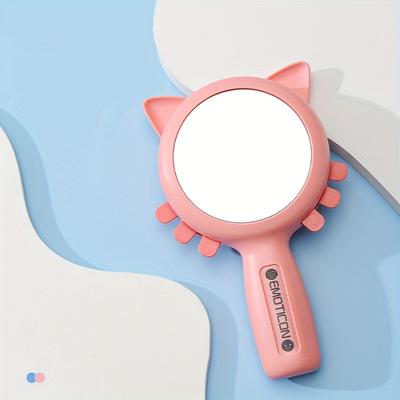
Perfect Picks Market Kids Emotional Expression Mirror Early Education & Emotional Learning Toy For Toddlers pinkNurture your childs emotional intelligence with the Kids Emotional Expression Mirrora fun, interactive learning tool designed to help toddlers understand and manage their feelings. This innovative toy features six emotional expression cards and a...49,97 $*Shipping: 0,00 $Secure redirect to the provider
-
Tiny Tots Teens Trends Bright Color Montessori Wooden Toys, Adorable Caterpillar Puppet, KTV Adults, Kids Early Education Learning Toy For Boys Bright Color Montessori Wooden Toys, Adorable Caterpillar Puppet, KTV Adults, Kids Early Education Learning ToyEnhance Learning with Montessori Wooden Toys Introduce your child to the world of interactive learning with our Montessori Wooden Toys. Designed to stimulate both cognitive development and creativity, these toys are perfect for early education. The...44,97 $*Shipping: 0,00 $Secure redirect to the provider
-
MACMILLAN Kim Scott Collection 2 Books Set Radical Respect & Radical Candor – Leadership, Communication & Workplace Culture GuidesThe Kim Scott Collection – 2 Books Set brings together two transformative leadership bestsellers: Radical Respect and Radical Candor. Written by acclaimed workplace expert Kim Scott, these books offer practical, honest, and empowering guidance for building stronger teams, better communication, and healthier workplace cultures. In Radical Candor, Scott introduces her now-famous framework:Care Personally + Challenge Directly.Learn how to deliver feedback effectively, build trust, and lead with clarity without becoming overly harsh or avoiding difficult conversations. In Radical Respect, Scott expands on inclusion, fairness, accountability and anti-bullying frameworks—showing readers how to build workplaces rooted in dignity, psychological safety, and genuine respect. Together, these books provide a complete roadmap for leaders, managers, HR teams and anyone who wants to communicate better, lead with courage, and create workplaces where people thrive.6,99 £*Shipping: 2,99 £Secure redirect to the provider
-
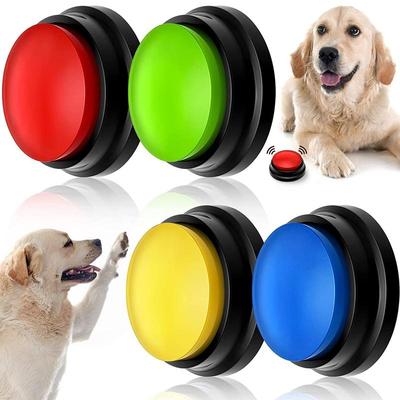
Inspired Deals Smart Dog Communication Button With Voice Recorder Pet Talking Trainer For Interactive Learning pinkMeet a smarter way to connect with your furry friend. This pet talking button lets dogs express needs like food, play, or outside time with a simple press. Designed for curious pets and engaged owners, it combines fun with practical training. The...39,97 $*Shipping: 0,00 $Secure redirect to the provider


-
In which language do you mostly read Wikipedia articles?
I mostly read Wikipedia articles in English. English is the most widely used language on Wikipedia, and it provides a wealth of information on a wide range of topics. Additionally, many articles are available in English, making it the most accessible language for me to read and understand the content. **
-
Are these sports articles?
No, these are not sports articles. The text provided is a conversation between two people discussing their plans for the weekend and their favorite sports. It does not contain any news or information related to specific sports events or athletes. **
-
What are Japanese articles?
Japanese articles are words that come before nouns to indicate whether the noun is specific or nonspecific. There are two types of articles in Japanese: は (wa) for the topic marker and が (ga) for the subject marker. The use of these articles can change the meaning of a sentence and help to clarify the topic or subject. Unlike English, Japanese does not have a direct equivalent to the definite and indefinite articles "the" and "a/an". **
-
Who determines the articles?
The articles are typically determined by the editorial team of the publication or website. This team is responsible for selecting and commissioning articles based on the publication's focus, target audience, and editorial guidelines. They may also consider input from contributors, readers, and market trends when deciding on the content to be included in the publication. Ultimately, the editorial team plays a key role in determining the articles that are published. **


Are there many German-language Wikipedia articles on international, non-German topics that are more detailed than the English articles?
There are some German-language Wikipedia articles on international, non-German topics that are more detailed than the English articles. This is because the German Wikipedia community is very active and has a strong focus on certain topics, leading to more in-depth coverage in those areas. However, in general, English-language Wikipedia tends to have a larger and more comprehensive coverage of international topics due to its larger contributor base and broader global reach. Overall, the English Wikipedia is often considered the go-to source for detailed information on international topics. **
How to write Wikipedia articles?
To write Wikipedia articles, follow these steps: 1. Research the topic: Gather reliable sources and information about the topic you want to write about. Make sure the sources are credible and verifiable. 2. Create an account: To contribute to Wikipedia, you will need to create an account. This will allow you to edit and create articles on the platform. 3. Start with a draft: Before creating a new article, it is recommended to start with a draft in your user sandbox. This will allow you to work on the article without it being immediately visible to the public. 4. Follow Wikipedia guidelines: Make sure to follow Wikipedia's guidelines and policies when writing articles. This includes using a neutral point of view, citing sources, and avoiding original research. 5. Write the article: Start by creating an outline for the article and then fill in the content. Make sure to include citations for any information that is not common knowledge. 6. Edit and revise: Once you have completed the article, go back and edit it for clarity, grammar, and accuracy. You can also ask for feedback from other Wikipedia editors. 7. Submit for review: Once you are satisfied with the article, you can submit it for review. Other Wikipedia editors will review the article for accuracy and adherence to guidelines before it is published. 8. Monitor and update: After the article is published, make sure to monitor it for any changes or updates that may be needed. You can also continue to improve the article over time. **
Top-Angebote
Products related to Articles:
-
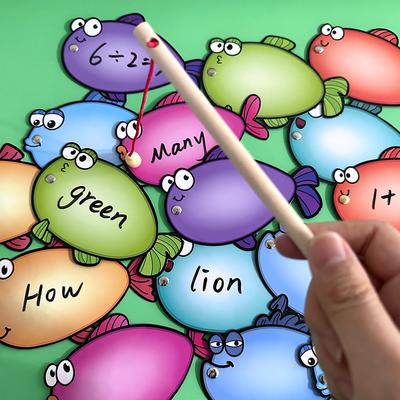
Perfect Picks Market Montessori Reusable Learning Cards Set For Kids Early Education Writing Practice Game Montessori Reusable Learning Cards Set For Kids Early Education Writing Practice GameTurn everyday learning into a fun, handson experience with these Montessori toys designed to spark curiosity and creativity. This engaging set of reusable cards helps young children build essential skills through play, making it perfect for early...39,97 $*Shipping: 0,00 $Secure redirect to the provider
-
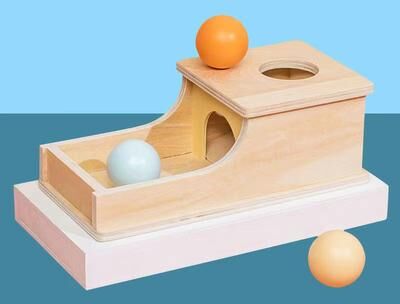
Tiny Tots Teens Trends Drawer Game Early Education Montessori Wooden Pitch Ball Box Preschool Learning Training Toy Drawer Game Early Education Montessori Wooden Pitch Ball Box Preschool Learning Training ToyThis Montessori Wooden Pitch Ball Box Drawer Game is a thoughtfully designed earlyeducation toy that transforms playtime into purposeful learning. Crafted for toddlers and preschoolers, it offers a handson, engaging way to support key developmental...39,97 $*Shipping: 0,00 $Secure redirect to the provider
-
Perfect Picks Market Kids Emotional Expression Mirror Early Education & Emotional Learning Toy For Toddlers pinkNurture your childs emotional intelligence with the Kids Emotional Expression Mirrora fun, interactive learning tool designed to help toddlers understand and manage their feelings. This innovative toy features six emotional expression cards and a...49,97 $*Shipping: 0,00 $Secure redirect to the provider
-
Tiny Tots Teens Trends Bright Color Montessori Wooden Toys, Adorable Caterpillar Puppet, KTV Adults, Kids Early Education Learning Toy For Boys Bright Color Montessori Wooden Toys, Adorable Caterpillar Puppet, KTV Adults, Kids Early Education Learning ToyEnhance Learning with Montessori Wooden Toys Introduce your child to the world of interactive learning with our Montessori Wooden Toys. Designed to stimulate both cognitive development and creativity, these toys are perfect for early education. The...44,97 $*Shipping: 0,00 $Secure redirect to the provider
-
What are partitive articles in the French language?
Partitive articles in French are used to indicate an unspecified quantity of a noun. They are used when referring to a portion or some of a mass noun, such as food or liquid. The partitive articles in French are "du" (for masculine nouns), "de la" (for feminine nouns), and "de l'" (for nouns starting with a vowel or silent "h"). These articles are essential for expressing the concept of some or any in French. **
-
How did articles in the German language originate?
Articles in the German language originated from the Old High German language, which was spoken in the early medieval period. The use of articles in German can be traced back to the influence of Latin and other neighboring languages. Over time, the articles evolved and became an integral part of the German language, distinguishing between definite (der, die, das) and indefinite (ein, eine) articles. The development of articles in German reflects the historical and linguistic influences on the language. **
-
In which language do you mostly read Wikipedia articles?
I mostly read Wikipedia articles in English. English is the most widely used language on Wikipedia, and it provides a wealth of information on a wide range of topics. Additionally, many articles are available in English, making it the most accessible language for me to read and understand the content. **
-
Are these sports articles?
No, these are not sports articles. The text provided is a conversation between two people discussing their plans for the weekend and their favorite sports. It does not contain any news or information related to specific sports events or athletes. **
Similar search terms for Articles
-
MACMILLAN Kim Scott Collection 2 Books Set Radical Respect & Radical Candor – Leadership, Communication & Workplace Culture GuidesThe Kim Scott Collection – 2 Books Set brings together two transformative leadership bestsellers: Radical Respect and Radical Candor. Written by acclaimed workplace expert Kim Scott, these books offer practical, honest, and empowering guidance for building stronger teams, better communication, and healthier workplace cultures. In Radical Candor, Scott introduces her now-famous framework:Care Personally + Challenge Directly.Learn how to deliver feedback effectively, build trust, and lead with clarity without becoming overly harsh or avoiding difficult conversations. In Radical Respect, Scott expands on inclusion, fairness, accountability and anti-bullying frameworks—showing readers how to build workplaces rooted in dignity, psychological safety, and genuine respect. Together, these books provide a complete roadmap for leaders, managers, HR teams and anyone who wants to communicate better, lead with courage, and create workplaces where people thrive.6,99 £*Shipping: 2,99 £Secure redirect to the provider
-
Inspired Deals Smart Dog Communication Button With Voice Recorder Pet Talking Trainer For Interactive Learning pinkMeet a smarter way to connect with your furry friend. This pet talking button lets dogs express needs like food, play, or outside time with a simple press. Designed for curious pets and engaged owners, it combines fun with practical training. The...39,97 $*Shipping: 0,00 $Secure redirect to the provider
-
Perfect Picks Market Kids Emotional Expression Mirror Early Education & Emotional Learning Toy For Toddlers blueNurture your childs emotional intelligence with the Kids Emotional Expression Mirrora fun, interactive learning tool designed to help toddlers understand and manage their feelings. This innovative toy features six emotional expression cards and a...49,97 $*Shipping: 0,00 $Secure redirect to the provider
-
Inspired Deals Smart Dog Communication Button With Voice Recorder Pet Talking Trainer For Interactive Learning purpleMeet a smarter way to connect with your furry friend. This pet talking button lets dogs express needs like food, play, or outside time with a simple press. Designed for curious pets and engaged owners, it combines fun with practical training. The...39,97 $*Shipping: 0,00 $Secure redirect to the provider
-
What are Japanese articles?
Japanese articles are words that come before nouns to indicate whether the noun is specific or nonspecific. There are two types of articles in Japanese: は (wa) for the topic marker and が (ga) for the subject marker. The use of these articles can change the meaning of a sentence and help to clarify the topic or subject. Unlike English, Japanese does not have a direct equivalent to the definite and indefinite articles "the" and "a/an". **
-
Who determines the articles?
The articles are typically determined by the editorial team of the publication or website. This team is responsible for selecting and commissioning articles based on the publication's focus, target audience, and editorial guidelines. They may also consider input from contributors, readers, and market trends when deciding on the content to be included in the publication. Ultimately, the editorial team plays a key role in determining the articles that are published. **
-
Are there many German-language Wikipedia articles on international, non-German topics that are more detailed than the English articles?
There are some German-language Wikipedia articles on international, non-German topics that are more detailed than the English articles. This is because the German Wikipedia community is very active and has a strong focus on certain topics, leading to more in-depth coverage in those areas. However, in general, English-language Wikipedia tends to have a larger and more comprehensive coverage of international topics due to its larger contributor base and broader global reach. Overall, the English Wikipedia is often considered the go-to source for detailed information on international topics. **
-
How to write Wikipedia articles?
To write Wikipedia articles, follow these steps: 1. Research the topic: Gather reliable sources and information about the topic you want to write about. Make sure the sources are credible and verifiable. 2. Create an account: To contribute to Wikipedia, you will need to create an account. This will allow you to edit and create articles on the platform. 3. Start with a draft: Before creating a new article, it is recommended to start with a draft in your user sandbox. This will allow you to work on the article without it being immediately visible to the public. 4. Follow Wikipedia guidelines: Make sure to follow Wikipedia's guidelines and policies when writing articles. This includes using a neutral point of view, citing sources, and avoiding original research. 5. Write the article: Start by creating an outline for the article and then fill in the content. Make sure to include citations for any information that is not common knowledge. 6. Edit and revise: Once you have completed the article, go back and edit it for clarity, grammar, and accuracy. You can also ask for feedback from other Wikipedia editors. 7. Submit for review: Once you are satisfied with the article, you can submit it for review. Other Wikipedia editors will review the article for accuracy and adherence to guidelines before it is published. 8. Monitor and update: After the article is published, make sure to monitor it for any changes or updates that may be needed. You can also continue to improve the article over time. **
* All prices are inclusive of VAT and, if applicable, plus shipping costs. The offer information is based on the details provided by the respective shop and is updated through automated processes. Real-time updates do not occur, so deviations can occur in individual cases. ** Note: Parts of this content were created by AI.