Buy langrony.eu ?
We are moving the project
langrony.eu .
Are you interested in purchasing the domain
langrony.eu ?
domain@kv-gmbh.de · 0541-91531010
Buy langrony.eu ?
What is the difference between Viennese Classicism and Weimar Classicism?
Viennese Classicism refers to the musical and artistic movement that emerged in Vienna during the late 18th century, with composers like Mozart, Haydn, and Beethoven as its key figures. Weimar Classicism, on the other hand, refers to the literary and cultural movement that took place in Weimar, Germany, during the late 18th and early 19th centuries, with writers and thinkers like Goethe and Schiller at its center. While Viennese Classicism is primarily associated with music, Weimar Classicism is more focused on literature and philosophy. Both movements, however, share a commitment to balance, harmony, and a return to classical forms and ideals. **
Has Weimar Classicism failed?
Weimar Classicism, a cultural and literary movement in Germany during the late 18th and early 19th centuries, is considered by many to have been a successful period of artistic and intellectual achievement. However, some critics argue that it failed to bring about lasting social or political change. While Weimar Classicism did not lead to significant reforms or revolution, its impact on German literature, philosophy, and culture was profound and enduring. Ultimately, whether Weimar Classicism can be considered a failure depends on the criteria by which its success is judged. **


Similar search terms for Classicism
Top-Angebote
Products related to Classicism:
-
Perfect Picks Market Kids Emotional Expression Mirror Early Education & Emotional Learning Toy For Toddlers pinkNurture your childs emotional intelligence with the Kids Emotional Expression Mirrora fun, interactive learning tool designed to help toddlers understand and manage their feelings. This innovative toy features six emotional expression cards and a...49,97 $*Shipping: 0,00 $Secure redirect to the provider
-
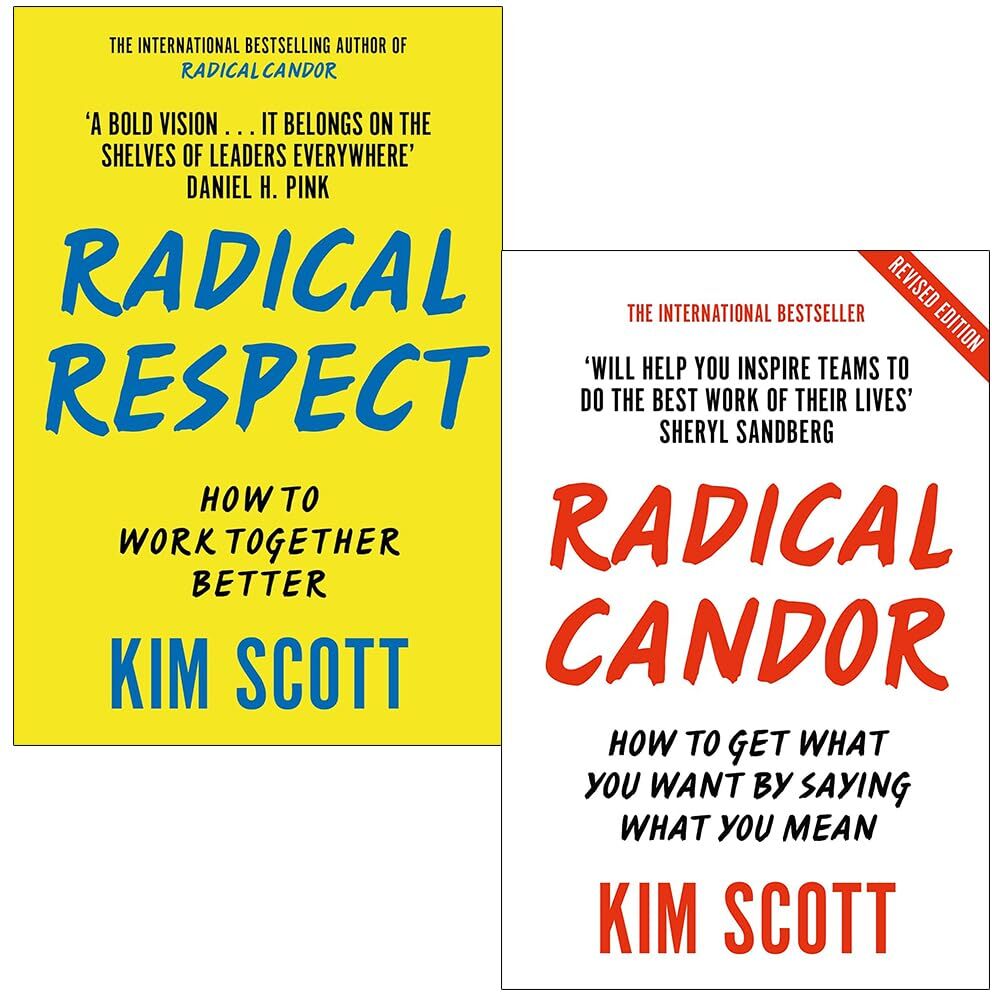
MACMILLAN Kim Scott Collection 2 Books Set Radical Respect & Radical Candor – Leadership, Communication & Workplace Culture GuidesThe Kim Scott Collection – 2 Books Set brings together two transformative leadership bestsellers: Radical Respect and Radical Candor. Written by acclaimed workplace expert Kim Scott, these books offer practical, honest, and empowering guidance for building stronger teams, better communication, and healthier workplace cultures. In Radical Candor, Scott introduces her now-famous framework:Care Personally + Challenge Directly.Learn how to deliver feedback effectively, build trust, and lead with clarity without becoming overly harsh or avoiding difficult conversations. In Radical Respect, Scott expands on inclusion, fairness, accountability and anti-bullying frameworks—showing readers how to build workplaces rooted in dignity, psychological safety, and genuine respect. Together, these books provide a complete roadmap for leaders, managers, HR teams and anyone who wants to communicate better, lead with courage, and create workplaces where people thrive.6,99 £*Shipping: 2,99 £Secure redirect to the provider
-
Tiny Tots Teens Trends Bright Color Montessori Wooden Toys, Adorable Caterpillar Puppet, KTV Adults, Kids Early Education Learning Toy For Boys Bright Color Montessori Wooden Toys, Adorable Caterpillar Puppet, KTV Adults, Kids Early Education Learning ToyEnhance Learning with Montessori Wooden Toys Introduce your child to the world of interactive learning with our Montessori Wooden Toys. Designed to stimulate both cognitive development and creativity, these toys are perfect for early education. The...44,97 $*Shipping: 0,00 $Secure redirect to the provider
-
Inspire Select Wooden Montessori Fishing Toy Set Kids Number & Alphabet Learning Game For Early Education Training lettersMake learning fun and interactive with a playful educational experience. This Montessori fishing toy helps children develop essential skills while enjoying handson play. Designed for toddlers and young kids, this wooden learning toy combines...96,97 $*Shipping: 0,00 $Secure redirect to the provider



-
Has the Weimar Classicism failed?
The Weimar Classicism, which was a cultural and literary movement in Germany during the late 18th and early 19th centuries, can be considered a success in many ways. It brought together some of the greatest minds of the time, including Johann Wolfgang von Goethe and Friedrich Schiller, and produced timeless works of literature and philosophy. However, it could be argued that the movement failed to have a lasting impact on German society and politics, as it was eventually overshadowed by the rise of Romanticism and the political turmoil of the 19th century. Ultimately, whether or not Weimar Classicism failed depends on the criteria used to measure its success. **
-
What is the significance of aesthetic education in the Weimar Classicism?
Aesthetic education was significant in Weimar Classicism as it emphasized the importance of cultivating an individual's aesthetic sensibility and appreciation for the arts. This movement, led by figures such as Johann Wolfgang von Goethe and Friedrich Schiller, sought to integrate the arts into the education system as a means of developing a well-rounded and morally conscious individual. Aesthetic education was seen as a way to foster creativity, critical thinking, and emotional intelligence, and to promote a harmonious balance between reason and emotion. It also aimed to elevate the cultural and intellectual life of society as a whole. **
-
What are examples of Weimar Classicism?
Some examples of Weimar Classicism include the works of Johann Wolfgang von Goethe, such as his novel "Wilhelm Meister's Apprenticeship" and his play "Faust." Another example is Friedrich Schiller's play "William Tell," which reflects the ideals of the movement through its focus on heroism and freedom. Additionally, the architectural designs of Weimar, such as the Weimar Court Theater and the Weimar City Palace, also exemplify the principles of Weimar Classicism through their emphasis on balance, harmony, and classical forms. **
-
What are the traditions of Weimar Classicism?
Weimar Classicism was a cultural and literary movement that emerged in the late 18th century in Germany. Some of the key traditions of Weimar Classicism include a focus on reason, harmony, and balance in both art and society. This movement also emphasized the importance of education, humanism, and the pursuit of knowledge. Weimar Classicism sought to revive the ideals of ancient Greece and Rome, and its proponents believed in the power of art and literature to elevate and educate society. **


What are typical poems of Weimar Classicism?
Typical poems of Weimar Classicism often focus on themes of nature, beauty, and the human experience. They are characterized by their clarity, balance, and harmony, drawing inspiration from classical Greek and Roman literature. Poets of this movement, such as Johann Wolfgang von Goethe and Friedrich Schiller, sought to create works that were both intellectually stimulating and emotionally resonant, reflecting the ideals of the Enlightenment. These poems often explore the tension between reason and emotion, and the search for meaning and truth in the world. **
What is the literary era of Classicism?
The literary era of Classicism, also known as Neoclassicism, emerged in the 18th century as a reaction against the extravagance and emotionalism of the Baroque period. Classicism emphasized order, reason, and rationality, drawing inspiration from the art and literature of ancient Greece and Rome. Writers during this era sought to emulate the style and themes of classical antiquity, focusing on clarity, balance, and restraint in their works. Classicism also placed a strong emphasis on the use of formal structures and traditional poetic forms, such as the sonnet and the heroic couplet. **
Top-Angebote
Products related to Classicism:
-
Perfect Picks Market Montessori Reusable Learning Cards Set For Kids Early Education Writing Practice Game Montessori Reusable Learning Cards Set For Kids Early Education Writing Practice GameTurn everyday learning into a fun, handson experience with these Montessori toys designed to spark curiosity and creativity. This engaging set of reusable cards helps young children build essential skills through play, making it perfect for early...39,97 $*Shipping: 0,00 $Secure redirect to the provider
-
Tiny Tots Teens Trends Drawer Game Early Education Montessori Wooden Pitch Ball Box Preschool Learning Training Toy Drawer Game Early Education Montessori Wooden Pitch Ball Box Preschool Learning Training ToyThis Montessori Wooden Pitch Ball Box Drawer Game is a thoughtfully designed earlyeducation toy that transforms playtime into purposeful learning. Crafted for toddlers and preschoolers, it offers a handson, engaging way to support key developmental...39,97 $*Shipping: 0,00 $Secure redirect to the provider
-
Perfect Picks Market Kids Emotional Expression Mirror Early Education & Emotional Learning Toy For Toddlers pinkNurture your childs emotional intelligence with the Kids Emotional Expression Mirrora fun, interactive learning tool designed to help toddlers understand and manage their feelings. This innovative toy features six emotional expression cards and a...49,97 $*Shipping: 0,00 $Secure redirect to the provider
-
MACMILLAN Kim Scott Collection 2 Books Set Radical Respect & Radical Candor – Leadership, Communication & Workplace Culture GuidesThe Kim Scott Collection – 2 Books Set brings together two transformative leadership bestsellers: Radical Respect and Radical Candor. Written by acclaimed workplace expert Kim Scott, these books offer practical, honest, and empowering guidance for building stronger teams, better communication, and healthier workplace cultures. In Radical Candor, Scott introduces her now-famous framework:Care Personally + Challenge Directly.Learn how to deliver feedback effectively, build trust, and lead with clarity without becoming overly harsh or avoiding difficult conversations. In Radical Respect, Scott expands on inclusion, fairness, accountability and anti-bullying frameworks—showing readers how to build workplaces rooted in dignity, psychological safety, and genuine respect. Together, these books provide a complete roadmap for leaders, managers, HR teams and anyone who wants to communicate better, lead with courage, and create workplaces where people thrive.6,99 £*Shipping: 2,99 £Secure redirect to the provider
-
What is the difference between Viennese Classicism and Weimar Classicism?
Viennese Classicism refers to the musical and artistic movement that emerged in Vienna during the late 18th century, with composers like Mozart, Haydn, and Beethoven as its key figures. Weimar Classicism, on the other hand, refers to the literary and cultural movement that took place in Weimar, Germany, during the late 18th and early 19th centuries, with writers and thinkers like Goethe and Schiller at its center. While Viennese Classicism is primarily associated with music, Weimar Classicism is more focused on literature and philosophy. Both movements, however, share a commitment to balance, harmony, and a return to classical forms and ideals. **
-
Has Weimar Classicism failed?
Weimar Classicism, a cultural and literary movement in Germany during the late 18th and early 19th centuries, is considered by many to have been a successful period of artistic and intellectual achievement. However, some critics argue that it failed to bring about lasting social or political change. While Weimar Classicism did not lead to significant reforms or revolution, its impact on German literature, philosophy, and culture was profound and enduring. Ultimately, whether Weimar Classicism can be considered a failure depends on the criteria by which its success is judged. **
-
Has the Weimar Classicism failed?
The Weimar Classicism, which was a cultural and literary movement in Germany during the late 18th and early 19th centuries, can be considered a success in many ways. It brought together some of the greatest minds of the time, including Johann Wolfgang von Goethe and Friedrich Schiller, and produced timeless works of literature and philosophy. However, it could be argued that the movement failed to have a lasting impact on German society and politics, as it was eventually overshadowed by the rise of Romanticism and the political turmoil of the 19th century. Ultimately, whether or not Weimar Classicism failed depends on the criteria used to measure its success. **
-
What is the significance of aesthetic education in the Weimar Classicism?
Aesthetic education was significant in Weimar Classicism as it emphasized the importance of cultivating an individual's aesthetic sensibility and appreciation for the arts. This movement, led by figures such as Johann Wolfgang von Goethe and Friedrich Schiller, sought to integrate the arts into the education system as a means of developing a well-rounded and morally conscious individual. Aesthetic education was seen as a way to foster creativity, critical thinking, and emotional intelligence, and to promote a harmonious balance between reason and emotion. It also aimed to elevate the cultural and intellectual life of society as a whole. **
Similar search terms for Classicism
-
Tiny Tots Teens Trends Bright Color Montessori Wooden Toys, Adorable Caterpillar Puppet, KTV Adults, Kids Early Education Learning Toy For Boys Bright Color Montessori Wooden Toys, Adorable Caterpillar Puppet, KTV Adults, Kids Early Education Learning ToyEnhance Learning with Montessori Wooden Toys Introduce your child to the world of interactive learning with our Montessori Wooden Toys. Designed to stimulate both cognitive development and creativity, these toys are perfect for early education. The...44,97 $*Shipping: 0,00 $Secure redirect to the provider
-
Inspire Select Wooden Montessori Fishing Toy Set Kids Number & Alphabet Learning Game For Early Education Training lettersMake learning fun and interactive with a playful educational experience. This Montessori fishing toy helps children develop essential skills while enjoying handson play. Designed for toddlers and young kids, this wooden learning toy combines...96,97 $*Shipping: 0,00 $Secure redirect to the provider
-
Inspired Deals Smart Dog Communication Button With Voice Recorder Pet Talking Trainer For Interactive Learning purpleMeet a smarter way to connect with your furry friend. This pet talking button lets dogs express needs like food, play, or outside time with a simple press. Designed for curious pets and engaged owners, it combines fun with practical training. The...39,97 $*Shipping: 0,00 $Secure redirect to the provider
-
Perfect Picks Market Kids Emotional Expression Mirror Early Education & Emotional Learning Toy For Toddlers blueNurture your childs emotional intelligence with the Kids Emotional Expression Mirrora fun, interactive learning tool designed to help toddlers understand and manage their feelings. This innovative toy features six emotional expression cards and a...49,97 $*Shipping: 0,00 $Secure redirect to the provider
-
What are examples of Weimar Classicism?
Some examples of Weimar Classicism include the works of Johann Wolfgang von Goethe, such as his novel "Wilhelm Meister's Apprenticeship" and his play "Faust." Another example is Friedrich Schiller's play "William Tell," which reflects the ideals of the movement through its focus on heroism and freedom. Additionally, the architectural designs of Weimar, such as the Weimar Court Theater and the Weimar City Palace, also exemplify the principles of Weimar Classicism through their emphasis on balance, harmony, and classical forms. **
-
What are the traditions of Weimar Classicism?
Weimar Classicism was a cultural and literary movement that emerged in the late 18th century in Germany. Some of the key traditions of Weimar Classicism include a focus on reason, harmony, and balance in both art and society. This movement also emphasized the importance of education, humanism, and the pursuit of knowledge. Weimar Classicism sought to revive the ideals of ancient Greece and Rome, and its proponents believed in the power of art and literature to elevate and educate society. **
-
What are typical poems of Weimar Classicism?
Typical poems of Weimar Classicism often focus on themes of nature, beauty, and the human experience. They are characterized by their clarity, balance, and harmony, drawing inspiration from classical Greek and Roman literature. Poets of this movement, such as Johann Wolfgang von Goethe and Friedrich Schiller, sought to create works that were both intellectually stimulating and emotionally resonant, reflecting the ideals of the Enlightenment. These poems often explore the tension between reason and emotion, and the search for meaning and truth in the world. **
-
What is the literary era of Classicism?
The literary era of Classicism, also known as Neoclassicism, emerged in the 18th century as a reaction against the extravagance and emotionalism of the Baroque period. Classicism emphasized order, reason, and rationality, drawing inspiration from the art and literature of ancient Greece and Rome. Writers during this era sought to emulate the style and themes of classical antiquity, focusing on clarity, balance, and restraint in their works. Classicism also placed a strong emphasis on the use of formal structures and traditional poetic forms, such as the sonnet and the heroic couplet. **
* All prices are inclusive of VAT and, if applicable, plus shipping costs. The offer information is based on the details provided by the respective shop and is updated through automated processes. Real-time updates do not occur, so deviations can occur in individual cases. ** Note: Parts of this content were created by AI.